
Ghana is currently in the throes of a remarkable infrastructural renaissance. From the bustling urban corridors of Accra to the developing arterial roads connecting the nation's agricultural heartlands, the sound of construction is the nation's new anthem. This is not merely a cyclical uptick in building activity; it is a profound, sustained metamorphosis of the physical landscape. The government's ambitious agenda, coupled with significant private sector investment, is catalyzing a surge in projects that span transportation, housing, healthcare, and education. This development is not just about erecting structures; it is about laying the very foundation for the country's future prosperity and global competitiveness.
However, this unprecedented growth presents a significant technical challenge. The traditional methods of concrete production, which have served the nation for decades, are proving inadequate for the demands of modern engineering. The scale and speed of current projects require a level of precision, consistency, and efficiency that manual or rudimentary mechanical mixing simply cannot provide. Consequently, we are witnessing a paradigm shift in the construction sector, where the procurement of advanced concrete mixing equipment is no longer a luxury but a fundamental necessity. This article delves into the multifaceted drivers behind this surging demand and why it is a critical component of sustainable development for the Republic of Ghana.
The Scale of Ambition: Mega-Projects and Their Mixing Imperatives
Requiem for the Manual Mixer: Why Speed and Volume Are Non-Negotiable
The days of relying on the laborious, manual mixing of concrete on large-scale projects are unequivocally numbered. Mega-infrastructure initiatives, such as the development of new highways, interchanges, and the expansion of the Tema Port, operate on timelines that would be utterly paralyzed by the sluggish pace of traditional methods. The sheer cubic meterage of concrete required for these projects is staggering. For instance, the construction of a single kilometer of modern highway can consume thousands of tons of concrete, a volume that would take a team of manual laborers months to produce, with inconsistent quality being an almost guaranteed collateral outcome.
The Margin for Error is Diminishing
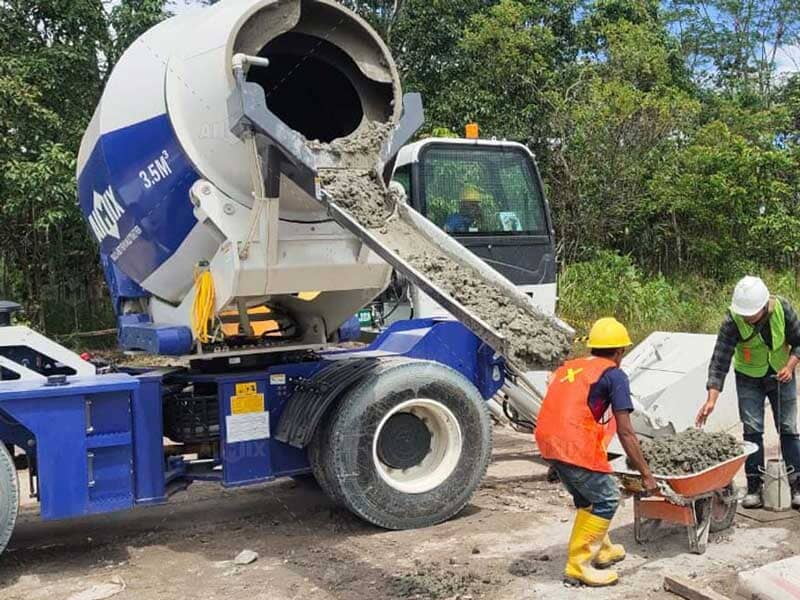
The contemporary construction milieu demands a degree of homogeneity and strength that is unobtainable through imprecise batching and mixing. Structural engineers are now specifying concrete mixes with complex admixture profiles and tight tolerances for water-cement ratios. The variability inherent in manual mixing—where a laborer's judgment call dictates the amount of water or sand in a batch—poses an existential threat to structural integrity and project longevity. Advanced self concrete mixer, equipped with sophisticated control panels and weighing systems, offer the requisite precision to meet these stringent specifications consistently, thereby mitigating the risk of structural failure and the concomitant financial and reputational catastrophes.
Fiscal Prudence and the Lifecycle Advantage
While the initial capital outlay for a state-of-the-art concrete mixing plant is considerable, it is a sophisticated investment that pays profound dividends over the lifecycle of a project. The expedited production timelines facilitated by these machines translate directly into reduced labor costs and accelerated project completion. This speed is not merely about saving time; it is about unlocking capital tied up in project financing. In the world of high-stakes infrastructure, where financing costs can accrue at a formidable rate, the ability to shorten a project's timeline is a significant financial lever.
Reducing the Tare of Material Wastage
Additionally, advanced mixers are designed to minimize material wastage. Their precision batching systems ensure that exact quantities of cement, aggregates, and water are used for each batch. This eliminates the profligate waste that often characterizes manual operations, where surplus, poorly mixed, or prematurely setting concrete is a pervasive issue. This material efficiency, when aggregated across the thousands of batches required for a major project, represents a substantial cost saving, effectively offsetting the initial investment in the equipment. It is an economic imperative for contractors who are navigating the competitive tendering landscape.
Technological Imperatives: The New Vanguard of Mixing
Ergonomics and the Preservation of Human Capital
The demanding nature of concrete mixing is not merely an operational challenge; it is a significant humanitarian one. Manual mixing is a physically grueling endeavor that exposes workers to considerable health risks, including respiratory ailments from cement dust and musculoskeletal injuries from repetitive, heavy lifting. The shift towards mechanized, automated mixing is, therefore, a compassionate act of labor stewardship. It allows contractors to deploy their workforce in more skilled, supervisory roles, fostering a safer and more dignified work environment.
Bridging the Skills Chasm
By investing in advanced equipment, construction firms are also investing in the upskilling of their workforce. The operation of modern mixing plants requires a workforce that is proficient in basic electronics, mechanics, and process control. This fosters the development of a more technically adept labor pool, which is essential for the nation's long-term industrial evolution. It represents a move away from brute-force labor towards a knowledge-based construction paradigm, which is more sustainable and less susceptible to the chronic absenteeism and turnover associated with physically demanding roles.
Environmental Stewardship and Regulatory Adherence
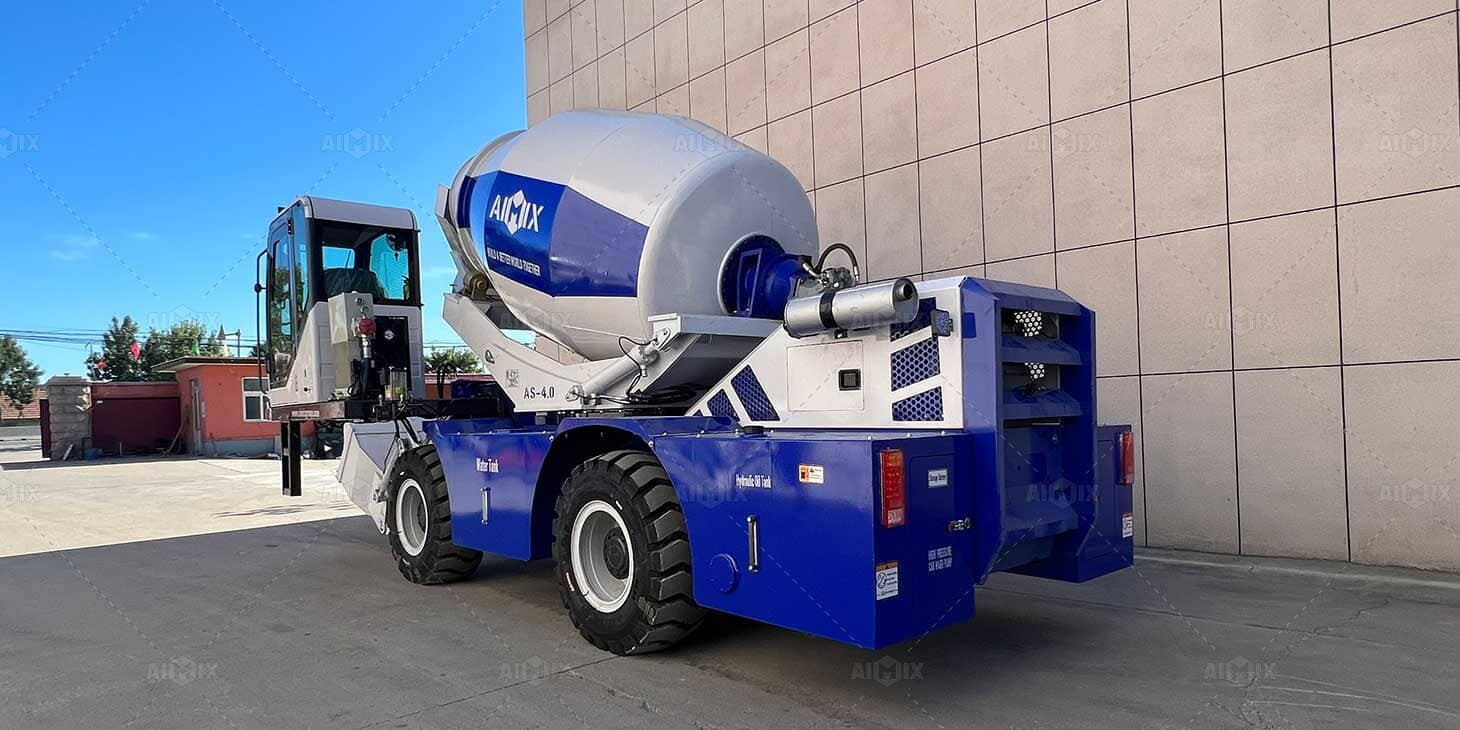
In an era where climate resilience and environmental sustainability are paramount, advanced concrete mixers offer a pathway to greener construction. The precision of these machines allows for the integration of supplementary cementitious materials, such as fly ash or ground granulated blast-furnace slag, which can significantly reduce the carbon footprint of concrete. These concrete mixers in Ghana can efficiently blend these complex, multi-component mixes that would be impossible to achieve with traditional methods.
Mitigating Environmental Indignities
Moreover, modern batching plants often feature integrated dust collection systems and are designed for quieter operation, mitigating the environmental indignities associated with traditional sites. This adherence to environmental standards is increasingly becoming a prerequisite for project approval and public acceptance. Contractors who invest in such equipment are not only future-proofing their businesses against tightening regulations but are also positioning themselves as responsible corporate citizens, contributing to Ghana's broader environmental objectives as outlined in its Nationally Determined Contributions under the Paris Agreement.
Catalysts of Change: Domestic Policy and Global Influence
The Impetus from Government Initiatives
The engine room of this demand surge is undoubtedly the Ghanaian government's aggressive policy framework. Initiatives such as the "One District, One Factory" and the comprehensive national housing program have created a predictable and high-volume demand for construction materials and services. This policy certainty encourages both local and international contractors to make the capital-intensive decision to invest in advanced equipment, knowing that a pipeline of work exists to ensure a return on their investment. The government is, in effect, acting as the primary catalyst for the mechanization of the construction sector.
Foreign Direct Investment and its Concomitant Demands
The influx of Foreign Direct Investment (FDI) into the Ghanaian infrastructure sector has also been a powerful accelerant. Chinese, European, and other international construction firms, who are accustomed to working with high-grade equipment, are bringing their standard operational procedures to Ghana. This sets a new benchmark for quality and speed. Local subcontractors and joint venture partners are compelled to acquire similar machinery to meet the expectations of these international partners and to remain competitive. This transfer of technology and operational standards is fundamentally reshaping the local construction ecosystem.
The Rise of a Domestic Equipment Ecosystem
Interestingly, the burgeoning demand is not solely reliant on expensive imports. We are witnessing the nascent but significant growth of a domestic and regional equipment manufacturing and assembly ecosystem. Companies are establishing local assembly plants for mini concrete mixers and batching plants, offering more affordable options tailored to the specific needs of the Ghanaian market. This localization of production reduces lead times for equipment acquisition, ensures better availability of spare parts, and fosters after-sales service networks that are crucial for minimizing downtime on critical projects.
Financial Innovation and Access to Capital
Furthermore, financial institutions are becoming more attuned to the needs of the construction sector. Some are beginning to offer specialized financing solutions, such as equipment leasing and asset-backed loans, which make the acquisition of these expensive machines more accessible to small and medium-sized enterprises (SMEs). This democratization of access to capital is a vital enabler, ensuring that the benefits of advanced mixing technology are not reserved solely for multinational corporations but are available to the indigenous contractors who form the backbone of Ghana's construction industry.