
Construction efficiency is rarely transformed by one dramatic innovation alone. More often, it improves through dozens of small refinements that reduce wasted time, simplify operation, and increase consistency throughout the working day. This principle is especially true for self loaded concrete mixers, where every loading cycle directly influences daily output, fuel consumption, labor productivity, and ultimately project profitability. While contractors often compare machines based on drum capacity or engine power, experienced operators understand that seemingly minor design improvements can generate significant operational advantages over hundreds of loading cycles.
A faster bucket movement, a more responsive control system, improved material weighing accuracy, or better visibility from the operator's cabin may save only a few seconds during one batch. However, when multiplied across an entire project, these incremental gains accumulate into measurable improvements in concrete production. This article explores how small engineering enhancements in modern self loaded concrete mixer create substantial construction benefits and why paying attention to these details leads to better long-term project performance.
Small Engineering Improvements Begin with Every Loading Cycle
The performance of a self loaded concrete mixer is determined by much more than its drum capacity. Every production cycle consists of multiple interconnected actions, including material loading, weighing, mixing, transportation, and concrete discharge. Even minor improvements at any stage can enhance the efficiency of the entire workflow. Rather than focusing solely on maximum output figures, contractors should examine how effectively the machine performs hundreds of repetitive operations throughout its service life.
Higher Bucket Efficiency Reduces Loading Time
Loading aggregates is the first step in every concrete production cycle. Traditionally, operators spend considerable time positioning the bucket, collecting materials, adjusting the loading angle, and ensuring sufficient filling before transferring aggregates into the drum. Small mechanical improvements in bucket geometry and hydraulic responsiveness can noticeably shorten this process.
A larger bucket opening allows more material to enter during each pass, while optimized hydraulic cylinders improve lifting speed without sacrificing stability. Better bucket penetration into aggregate piles also minimizes repeated attempts to achieve a full load. Although each loading operation may save only several seconds, these gains accumulate significantly over dozens of production cycles during a normal working day.
Higher loading efficiency also contributes to smoother workflow continuity. Less waiting between batches allows the operator to maintain a consistent production rhythm, reducing interruptions that often lower overall equipment utilization.
Smarter Control Systems Improve Operator Productivity
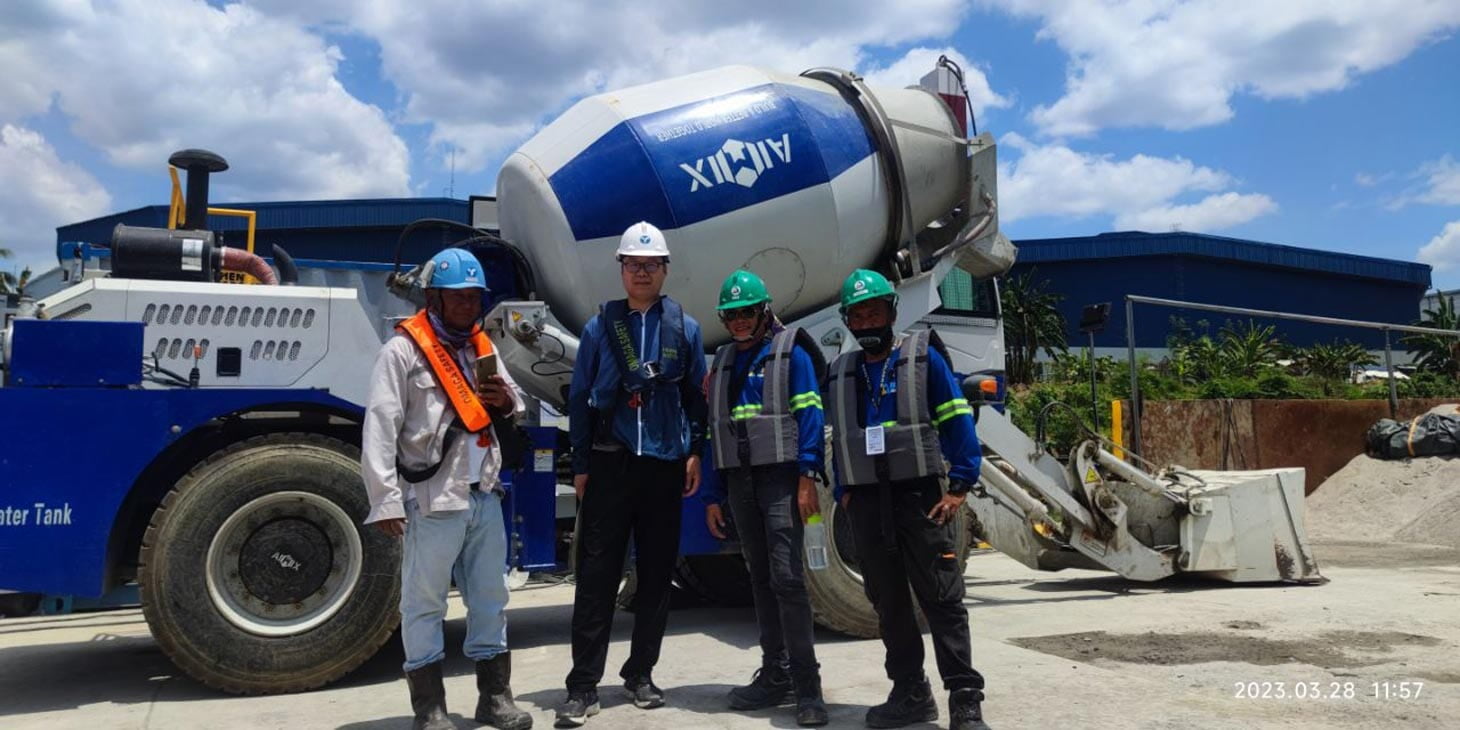
Modern self loaded concrete mixers increasingly incorporate intelligent control technologies that simplify machine operation. Responsive joysticks, ergonomic control layouts, and electronic assistance systems reduce unnecessary operator movements while improving machine precision.
Instead of constantly correcting bucket positioning or adjusting drum functions manually, operators can complete tasks with fewer inputs and greater confidence. Reduced operational complexity lowers the learning curve for new users while allowing experienced operators to sustain higher productivity throughout long working shifts.
Improved visibility from the cabin further enhances loading accuracy. Wide viewing angles decrease blind spots around aggregate stockpiles, making bucket positioning quicker and reducing accidental material loss during loading operations.
Accurate Weighing Creates More Consistent Concrete
Concrete quality depends heavily on maintaining precise material proportions. Even small deviations in aggregate or cement quantities may influence strength, workability, and durability. Integrated weighing systems have therefore become one of the most valuable improvements in modern self loaded concrete mixers.
Accurate electronic weighing enables operators to reproduce consistent batching recipes regardless of project location. Rather than estimating material quantities visually, operators receive real-time measurement feedback during loading. This minimizes batching errors while reducing unnecessary cement consumption, helping contractors maintain both quality standards and cost control.
Consistent batching also reduces the likelihood of rejected concrete, rework, and material waste. Over the duration of a large construction project, these quality improvements often generate greater financial savings than increases in production speed alone.
Incremental Performance Gains Multiply Throughout the Project
Construction productivity should be evaluated over weeks and months instead of individual production cycles. Small operational improvements become increasingly valuable because they are repeated continuously throughout every project. What appears insignificant during one batch frequently becomes substantial after hundreds or even thousands of concrete deliveries.
Saving Seconds Produces More Concrete Each Day
Suppose each loading cycle becomes only thirty seconds faster due to improved bucket efficiency and simplified controls. If a machine completes forty production cycles per day, twenty minutes of productive time are recovered daily. Across several months of operation, this reclaimed time can translate into dozens of additional concrete batches without extending working hours.
Higher equipment utilization also improves project scheduling. Contractors can respond more effectively to unexpected changes, complete pours within tighter deadlines, and reduce delays caused by insufficient concrete supply.
Reduced Operator Fatigue Improves Long-Term Efficiency
Machine productivity depends not only on engineering performance but also on human performance. Operators who repeatedly perform awkward control movements or constantly adjust poorly designed equipment experience fatigue much earlier during the workday.
Improved ergonomics reduce unnecessary physical effort and mental workload. Comfortable seating, intuitive controls, and smoother hydraulic responses enable operators to maintain concentration during prolonged shifts. Better operator comfort contributes to more consistent production while lowering the risk of operational errors.
Over the lifespan of the machine, these ergonomic improvements can positively influence equipment maintenance, safety, and workforce retention.
Lower Material Waste Protects Project Budgets
Construction costs are increasingly influenced by material efficiency. Cement, aggregates, fuel, and maintenance expenses continue to rise in many regions, making waste reduction an important competitive advantage.
Better loading accuracy prevents aggregate spillage around stockpiles. Precise weighing minimizes excessive cement usage. Stable drum mixing reduces segregation and improves concrete uniformity. Individually, these savings may appear modest. Collectively, however, they contribute to meaningful reductions in total project expenditure.
When contractors evaluate equipment solely by purchase price, they often overlook these operational savings. Machines designed with attention to detail frequently deliver lower total ownership costs over many years of service.
Choosing the Right Details Creates Better Construction Results
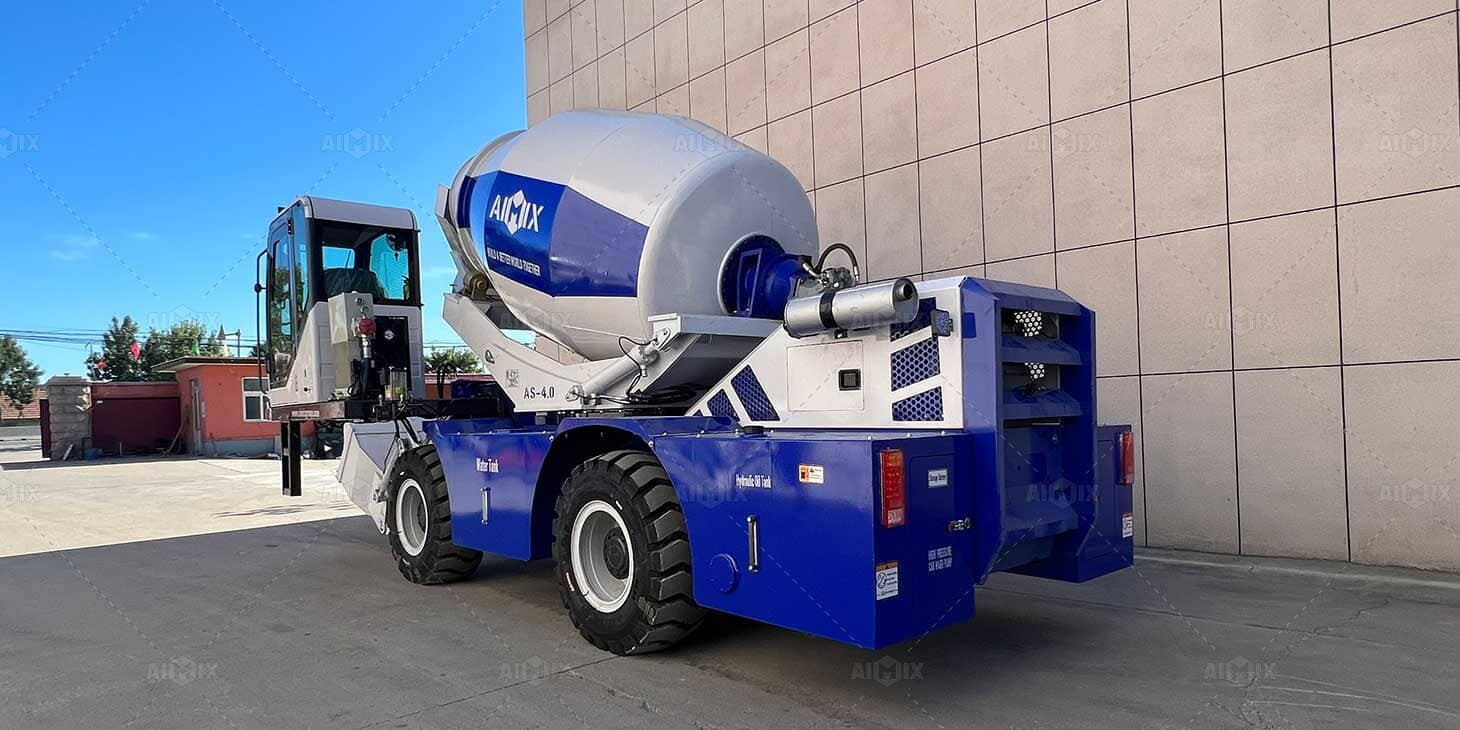
Selecting a self loaded large concrete mixer should involve more than comparing technical specifications on paper. Real construction performance depends on how efficiently the machine supports daily operations under actual jobsite conditions. The most successful equipment often distinguishes itself through thoughtful engineering details rather than dramatic headline features.
Evaluate Beyond Basic Specifications
Capacity, engine power, and drum volume remain important purchasing considerations. However, contractors should also examine bucket design, weighing accuracy, hydraulic responsiveness, cabin visibility, maintenance accessibility, and control ergonomics before making an investment decision.
These practical characteristics directly affect daily productivity because they influence every production cycle. A well-designed machine enables operators to work more efficiently with fewer interruptions, producing measurable returns throughout the equipment's operational life.
Small Improvements Deliver Long-Term Value
Successful construction projects are built upon consistent execution rather than isolated moments of exceptional performance. Every loading cycle represents another opportunity to improve efficiency, protect concrete quality, reduce operating costs, and maximize equipment utilization.
Modern self loaded concrete mixers demonstrate that thoughtful engineering refinement can produce significant project advantages without fundamentally changing the construction process. Small improvements in loading efficiency, weighing precision, operator comfort, and workflow continuity combine to create larger business outcomes over time. For contractors seeking greater productivity, every loading cycle truly counts—and every carefully engineered detail contributes to stronger construction results.