
Dubai, a city synonymous with audacious architectural ambition, presents a construction environment of extreme contrasts. On one hand, there are sprawling, low-rise residential communities emerging in areas like Dubai South and Arabian Ranches, requiring the agile movement of equipment across vast, dusty sites. On the other hand, the city's iconic skyline is punctuated by supertall skyscrapers, where concrete must be propelled to vertiginous heights exceeding 300 metres, demanding immense hydraulic power. This dichotomy creates a fundamental schism in equipment strategy for contractors. The selection of a concrete pump in Dubai is rarely a simple purchasing decision; it is a strategic declaration of the type of work a company intends to pursue. Understanding the nuanced trade-offs between the mobility of a trailer-mounted line pump and the formidable pressure capabilities of a stationary boom pump is essential for operational efficiency and commercial viability in this fiercely competitive market.
1. The Imperative of Mobility: Agile Solutions for Sprawling Sites
For a significant segment of the Dubai construction market, the ability to move quickly between job sites or across a large project footprint is the primary operational concern.
Navigating the Urban and Suburban Fabric
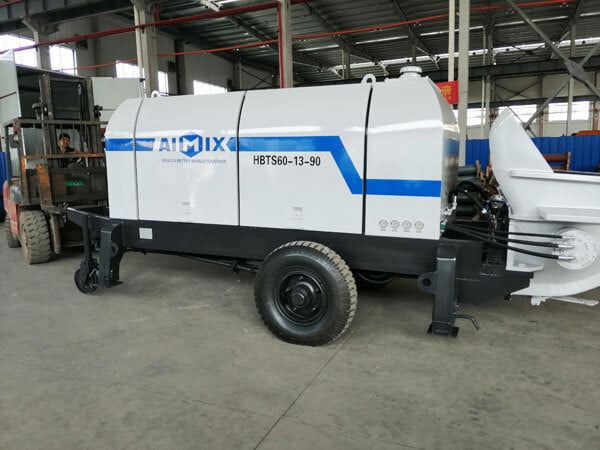
Many projects in Dubai's expanding suburbs are characterized by a high number of discrete structures—such as villas or low-rise apartment blocks—spread over a large area. In this context, a massive, immobile pump is a liability. The sun's relentless intensity makes the logistics of material handling a race against time. A trailer-mounted concrete pump, often referred to as a "line pump," offers the requisite agility. It can be easily hitched to a light truck and repositioned rapidly as the concrete pour progresses from one villa to the next. This peripatetic capability reduces the length of pipeline required and minimizes the time spent on setup and teardown, ensuring that the concrete is placed efficiently before the searing heat accelerates the hydration process.
Minimal Site Disruption and Footprint
In the tightly regulated and often congested construction sites of Dubai, space is a premium commodity. The stationary boom pump requires a substantial outrigger footprint and a dedicated area for the truck to park, which is often unavailable in confined urban infill projects. The more diminutive concrete line pump requires far less real estate to operate. Its compact footprint allows it to be tucked into a corner of the site, out of the way of other trades. This unobtrusive nature is a significant advantage, as it permits other logistical operations—such as material deliveries and crane lifts—to proceed concurrently with the concreting works, thereby compressing the overall project timeline and reducing congestion on-site.
2. The Necessity of High-Pressure: Engineering for the Vertical Frontier
Conversely, the iconic high-rise developments that define the Dubai skyline necessitate a different breed of equipment, engineered to overcome the formidable force of gravity.
Overcoming the Hydraulic Head
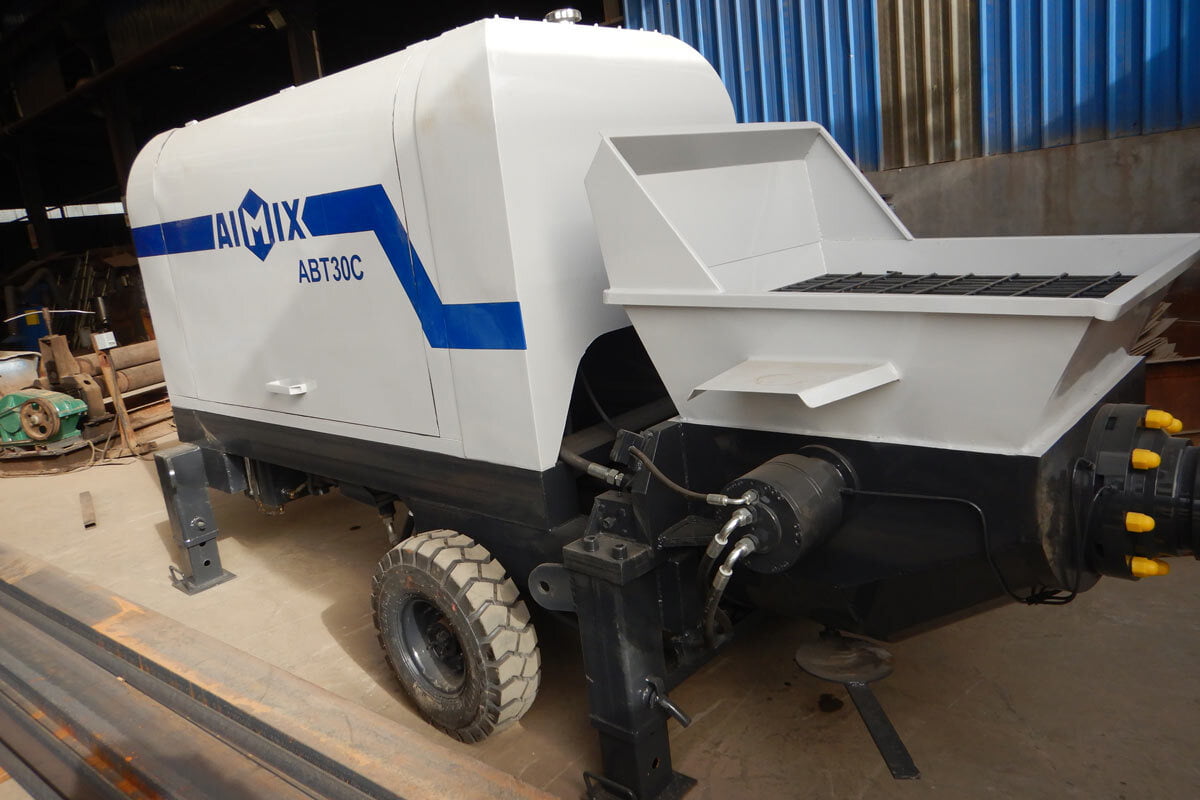
The fundamental physics of pumping concrete to the upper echelons of a skyscraper is a battle against hydraulic head pressure. For every metre the concrete is lifted, a significant amount of pressure is required to overcome the weight of the column of concrete in the delivery line. At heights exceeding 100 metres, the cumulative pressure is immense. A standard line pump lacks the requisite power and robust valving to generate the pressures necessary for such vertical conveyance. This is the domain of the high-pressure stationary boom pump, equipped with twin hydraulic cylinders and a heavy-duty S-valve designed to withstand enormous stresses. These machines can generate pressures exceeding 200 bar, ensuring a steady, uninterrupted flow to the uppermost formwork of a 50-storey tower, preventing blockages and ensuring a monolithic pour.
Maintaining Velocity and Preventing "Line Sags"
High-pressure pumping is not solely about brute force; it is about maintaining a consistent flow velocity to prevent the concrete from segregating or settling in the pipeline. At extreme heights, the risk of "line sag"—where the weight of the concrete causes the pipe to bend or oscillate—is a serious concern. High-pressure pumps are typically paired with thicker-walled pipelines and robust clamping systems to maintain the integrity of the delivery system. Furthermore, the advanced hydraulic systems in these machines allow for a "soft start" and "soft stop," which eliminates the water hammer effect that can cause catastrophic joint failure. For the super-tall projects that define Dubai's horizon, this bespoke engineering capability is not a luxury; it is an absolute prerequisite.
3. Strategic Implications and Lifecycle Considerations
The choice between mobility and high-pressure capability has profound implications for a contractor's business model, asset management, and cost structure.
Capital Allocation and the Total Cost of Ownership
The acquisition cost of a high-pressure stationary pump is a significant capital outlay, often several multiples of a simple trailer pump. Furthermore, the ongoing maintenance costs are exponentially higher; the hydraulic oil, specialized filters, and wear parts are more expensive, and they require more frequent replacement due to the extreme operating pressures. A contractor must therefore ascertain their "mission profile." A firm specializing in infrastructure or mid-rise residential projects will achieve a better return on investment by acquiring a fleet of mobile concrete pumps. Conversely, a specialist in high-rise construction must view the high-pressure pump not as an expense, but as an enabling asset that grants access to high-margin contracts.
Synergistic Fleet Management and Subcontracting
Many of the most successful contractors in Dubai adopt a hybrid strategy, owning a fleet of mobile pumps for the bulk of their work while forming strategic partnerships with rental houses for the high-pressure equipment required for their tower projects. This approach avoids the depreciation overhead of a machine that might remain idle for extended periods. Alternatively, specialized pumping subcontractors have emerged who exclusively own and operate these high-pressure behemoths, offering their services to general contractors. This symbiotic ecosystem allows developers to access the precise technical capability required for a specific project phase without the long-term capital commitment, reflecting a mature and economically rational approach to construction logistics.